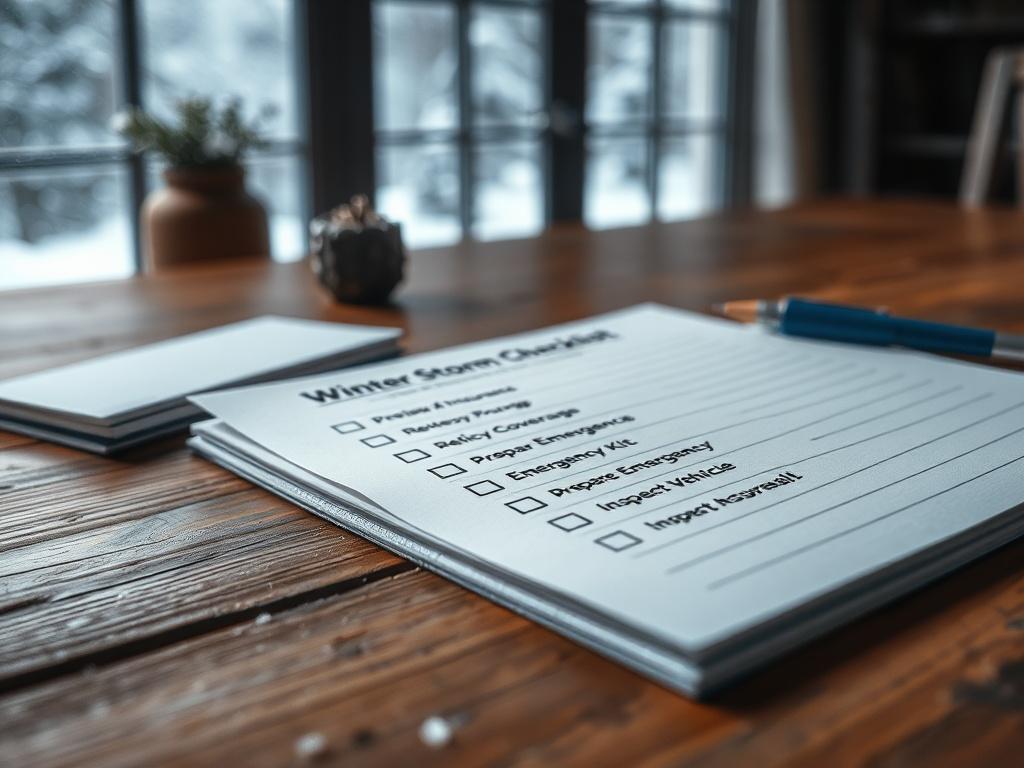
As winter approaches, the icy chill in the air serves as a reminder to prepare for the unpredictable nature of winter storms. A comprehensive Winter Storm Checklist for Home & Auto Insurance is crucial not only to protect your property and vehicles but also to ensure that you can navigate any challenges that arise during these harsh weather conditions. Knowing what to include in your checklist and how to effectively prepare can minimize potential damages and simplify the claims process should the need arise.
In this blog post, we will delve into the essential items that should be part of your winter storm checklist for both home and auto insurance. We’ll guide you through practical steps for safeguarding your property against severe winter weather and provide valuable insights on how to successfully navigate the claims process. By equipping yourself with the right knowledge and preparedness strategies, you can face winter storms with confidence, ensuring your home and vehicles are protected all season long.
Essential items to include in your winter storm checklist for home & auto insurance
As winter storms approach, it's crucial to prepare a checklist that ensures you're covered in both home and auto insurance matters. Start by reviewing your insurance policies thoroughly. Confirm that your home and auto policies include coverage for specific winter storm-related damages, such as roof leaks, frozen pipes, or car accidents due to icy roads. Keep a copy of your policies in a safe, easily accessible location, both physically and digitally.
Next, document your property and belongings. Take photos or videos of your home, cars, and significant possessions to support your claims if damage occurs. Additionally, consider creating an inventory list that details your valuable items. This step not only helps you stay organized but also ensures you maximize your insurance claims. Don't forget to check for local emergency numbers and service providers for quick access during emergencies. By including these essential items in your winter storm checklist, you are setting yourself up for a more manageable and efficient response to winter weather challenges.
How to prepare your home for winter storms: A comprehensive checklist for home & auto insurance
To effectively prepare your home for winter storms, start by assessing your property for vulnerabilities. Check the roof for loose shingles and leaks, as heavy snow can exacerbate these issues. Ensure that gutters and downspouts are clear to prevent ice dams and water pooling. Inspect windows and doors for drafts, and consider adding weather stripping or caulking where needed to keep your home warm and safe. Furthermore, clear any outdoor drains and ensure that sidewalks and driveways are accessible in case of emergency services needing to reach your home.
Next, review your home insurance policy to confirm that it covers winter storm-related damage. Check for specific provisions related to roof damage, water intrusion, and frozen pipes. Document your home’s condition with photos and keep a detailed inventory of valuable items. In addition, compile emergency supplies such as flashlights, batteries, and a first aid kit. Having this checklist for winter storm preparation can significantly alleviate stress during a crisis and help you swiftly address any potential claims with your insurance provider.
Navigating claims: Your winter storm checklist for home & auto insurance explained
When winter storms strike, knowing how to navigate the claims process can save you time and stress. Start by documenting the damage immediately after the storm passes. Take clear photos of affected areas in your home and any damage to your vehicle. Make a list of lost or damaged items, including their estimated value. This documentation will support your claim and help your insurance provider assess the situation efficiently. Timely reporting is crucial, so reach out to your insurance company as soon as it's safe to do so, and be prepared to provide the details you've gathered.
Understanding your policy is equally important during this process. Review your coverage limits and specific provisions for winter storm damages. Many homeowners and auto insurance policies cover various weather-related incidents, but exclusions may apply. Familiarize yourself with these details, so you're not caught off guard. If you encounter obstacles or delays with your claim, don't hesitate to ask for clarification from your insurance representative. Having a clear understanding of the claims process and your rights as a policyholder will empower you to advocate effectively for the coverage you deserve.